Most people choosing between the two inspection levels are really choosing between two documents. One is short and answers a narrow question. The other is longer and answers a wider one. Seeing the two side by side is the quickest way to know which you need.
Corbin Chimney Care writes both for houses across Anaheim. Here they are, compared section by section.
The two reports at a glance
| Part of the report | Visual (Level 1, $160) | Camera (Level 2, $370) |
|---|---|---|
| Front page with verdict per flue | Yes | Yes |
| Firebox, damper and hearth photos | Yes | Yes |
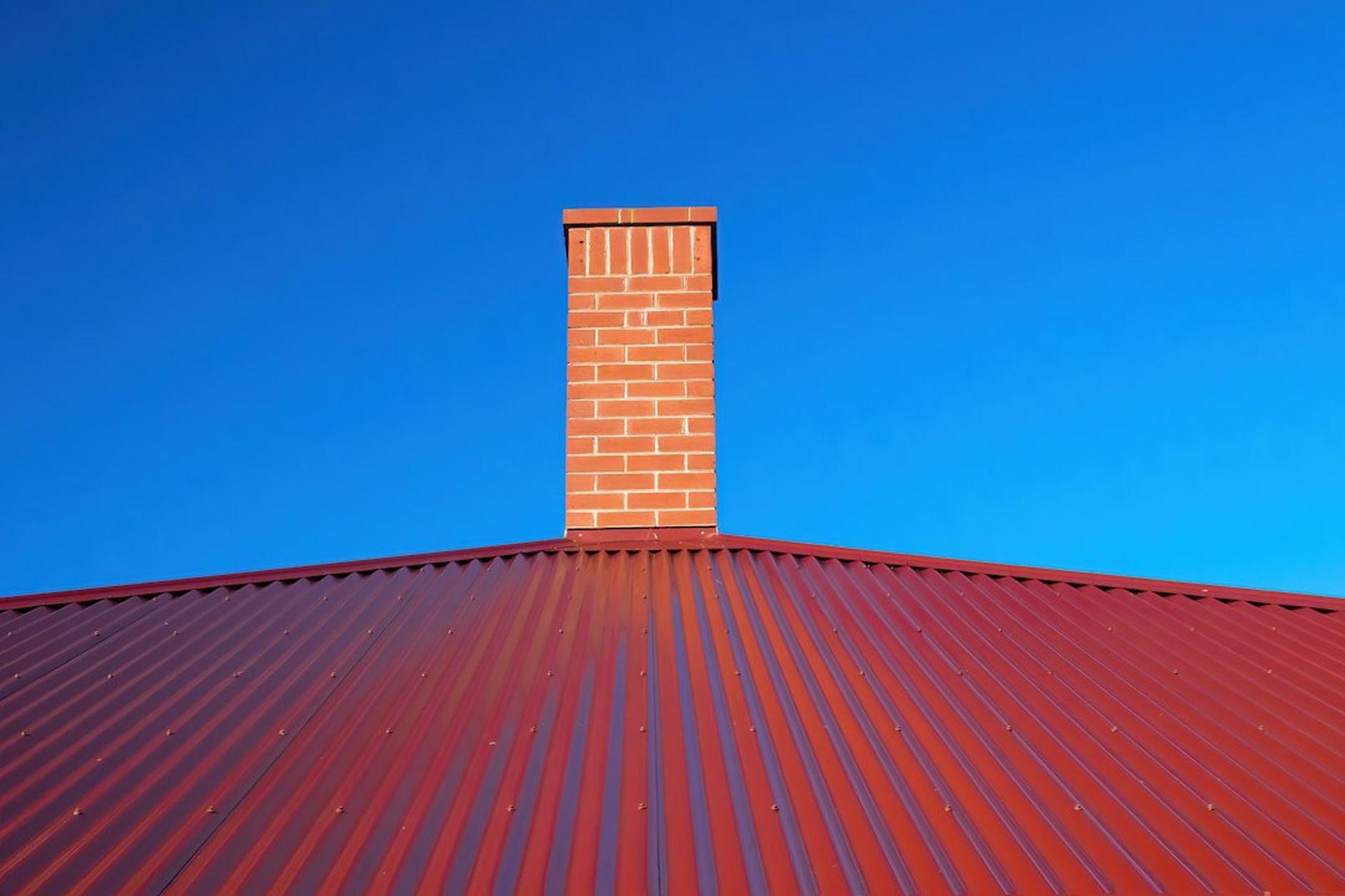
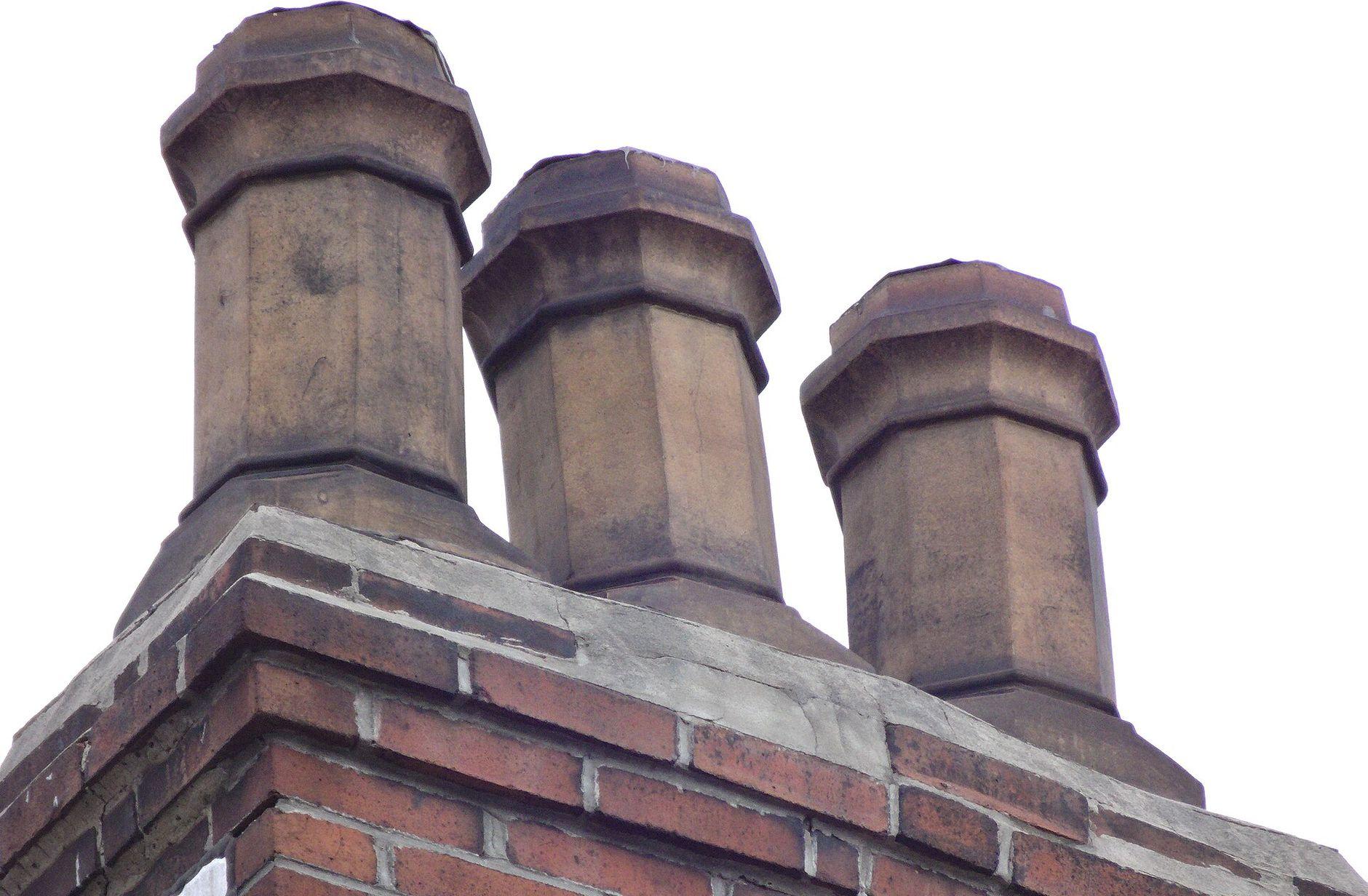
| Chimney top photographed from the roof | Yes | Yes |
| Still frames from inside the full flue | No | Yes |
| Attic and crawl space where reachable | No | Yes |
| Video file of the camera run | No | Yes |
| List of what could not be seen | Yes | Yes |
The visual report is not a cut-down camera report. It is a different answer to a different question: is anything plainly wrong with a chimney that has had an ordinary year?
Where the visual report stops
From the firebox, a light reaches only a short way past the damper. Above that point, the flue is a dark shaft. The visual report says so in its limits section, in a sentence like: flue not seen above the damper. That line is not a hedge. It is the honest edge of what a $160 visit can claim.
For a fireplace you use every winter, burning the same fuel as always, with no fire, quake or roof work since the last check, that is enough. The report confirms the parts most likely to wear and records their state for next year.
What the camera pages show
The camera report adds a section for each flue. A small camera travels up from the smoke chamber to the top, and we pull still frames wherever something deserves a comment. Each frame carries a caption with its rough height and a plain description.
Typical captions look like this:
- Clay tile, lower third: hairline crack across one face. Watch, and recheck next year.
- Joint between tiles near the roof: mortar missing, gap visible. Repair before the next fire.
- Upper flue: thick, shiny tar coating. Not safe to use until removed.
Those three lines would be invisible on a visual report. They are often the whole reason someone needed the camera.
What you receive at the end of each
Both reports arrive as a PDF with the photos set into the pages, so they print cleanly and can be forwarded without losing anything. The camera report also comes with the recording of the run, which matters more than people expect. An insurer, a buyer's agent or a contractor quoting a repair can watch the same footage we did and reach their own view.
The visual report is usually four to six pages. The camera report is longer, mainly because of the flue frames; a tall chimney with two flues can fill a dozen pages of them. Length is not the point, though. Each page should answer something.
Situations that need the camera report
Book the $370 visit when:
- the house is being bought or sold
- there has been a flue fire, or you suspect one
- a quake has shaken the area hard enough to crack plaster
- you are switching fuel, say from wood to a gas insert
- a liner is being planned or quoted
- a home inspector wrote that the chimney needs a specialist
- an insurer or lender has asked for the flue condition
Each of these puts a question to the hidden part of the flue, and only the camera answers it.
Situations where the visual report is enough
Book the $160 visit when the fireplace is in regular use, nothing has changed, and you want this year's record. It also suits a gas log set that has run without trouble, where the question is mostly about the firebox, the damper clamp and the vent top, and a fireplace that was camera checked recently and simply needs its yearly entry. Keeping those yearly reports in one folder gives the next inspector, or the next owner, a run of dated pages to compare against. Many owners in Anaheim book it with a sweep (from $395) before the first cool weekend, since both happen at the hearth.
When the visual visit turns up a reason to go further
Sometimes a $160 visit finds a sign that points higher: tar on the damper plate, flakes of tile in the smoke shelf, a stain on the ceiling next to the chimney. The report records the sign, says what it might mean, and recommends the camera. Nothing is upgraded on the spot without your say, and the camera run is booked and charged as its own visit.
How to decide in one question
Ask yourself: does anyone need to know the condition of the inside of the flue? If yes, the camera report. If no, the visual one.
Still unsure? Tell us what has happened to the fireplace since its last check and what the report is for. We recommend a level when we call back, with the fee.
Around Anaheim
The same two reports are written for houses in Fullerton, Buena Park and Corona. Brick chimneys from the middle of the last century and metal fireplaces from later tracts both fit either level; only the captions change. More detail sits on the Level 2 inspection and chimney inspection pages, and fees are broken down in Anaheim Chimney Inspection Prices.
Next
When you know which report you need, or want help choosing, the contact page is where to start.
Put Your Own Chimney on Paper
Corbin Chimney Care photographs each part of the system, rates every finding and sends the PDF to you and anyone you name. Visits are booked from Anaheim across Fullerton, Buena Park, Corona and the other cities on our areas page.